Qianlin Zhao
Qianlin Zhao, born in China, works in Bremen. Her video and installation works explore social indifference, cultural disconnection, and psychic demands, alongside critical reflection on the mechanisms of memory and history. They address experiences of neglected/marginalized individuals and collectivities such as a female migrant worker, an underground religious group, and a disaster-affected rural community.
Education
2026 Germany, Bremen — Binational Artistic PhD-Program
Hochschule für Künste Bremen
2025 — 2026 Germany, Bremen — Meisterschüler
Hochschule für Künste Bremen
2023 — 2025 Germany, Bremen — Diplom
Hochschule für Künste Bremen
2020 — 2023 Germany, Nürnberg — Vor-Diplom
Akademie der Bildenden Künste in Nürnberg
Funding / Förderung
08.2026 — 05.2027 Stuhr
Wohn- und Arbeitsstipendiums in der Künstlerstätte Stuhr-Heiligenrode
2025 Bremen, Filmbüro Bremen e.V.
Mirkoförderung
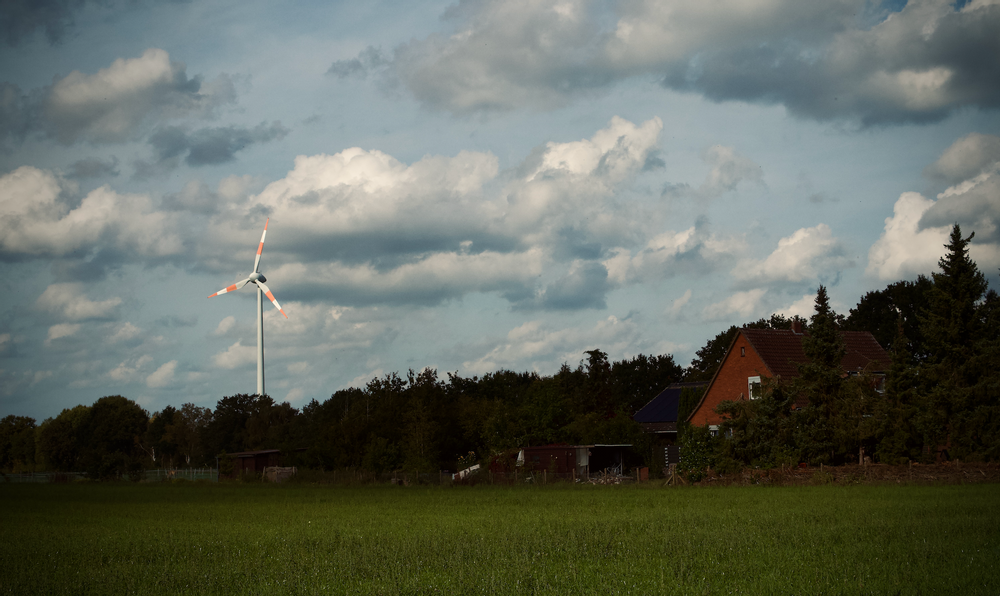
Ongoing
Since the 17th century, Stuhr has been part of seven different countries, until it reunited with Oldenburg in 1815. Since 1974, Stuhr has gradually developed into a community comprising eight districts. It is neither a rural area in the traditional sense nor a fully modern city.
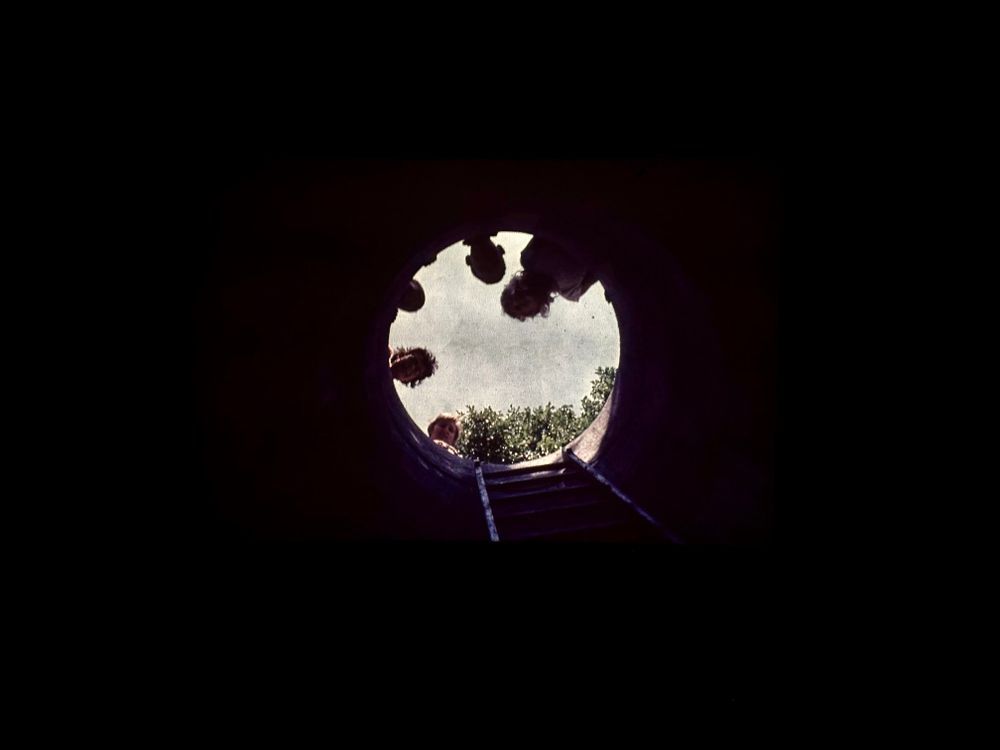
Dias collection, 2026
Individual definitions of Monument. Instead of the universal notion of “wedding” in German, Return to the literal “hoch + Zeit”, Moment of solidified or elevated. The moment when an individual’s time is momentarily elevated, but inevitably falls. How we remember them, understand them, lose them.
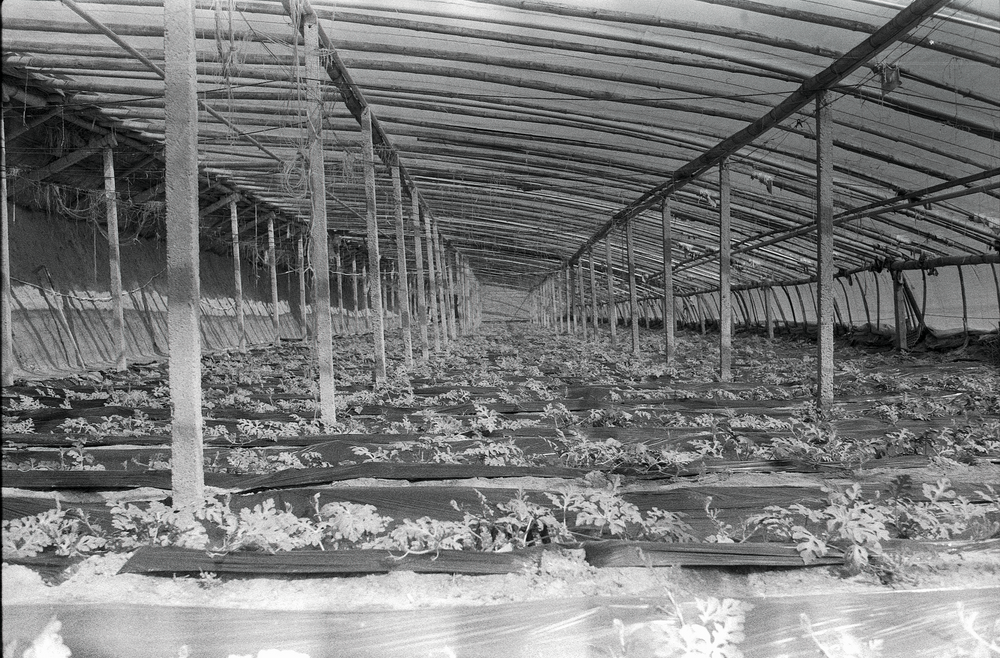
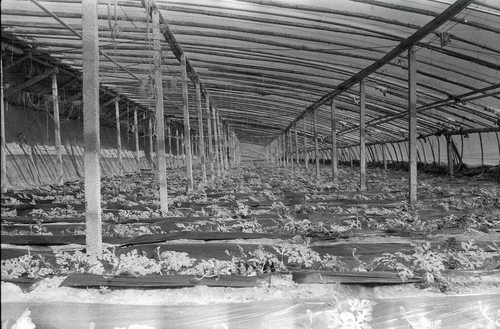
Super 8 Film, 2025
As urbanization and economic development continue to advance, have we neglected the land and culture of grassroots communities? After flooding in 2021 and 2024, the land needs time to recover, while the culture rooted in that land also needs to be preserved and revitalized. As the land waits to recover, is its culture also waiting for an echo? Where are our concerns and Where are their voices?

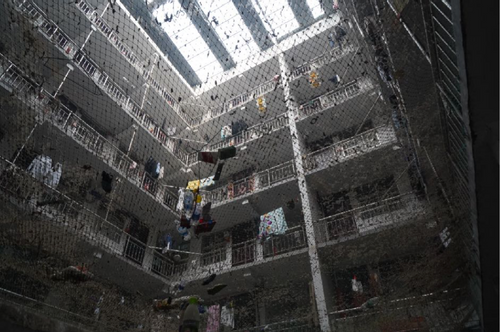
Documentary, 2020
Due to factors such as urbanization and economic development, there has been an increase in the number of rural women entering the cities in search of jobs or working in cities. Compared to male workers, regardless of region, women need to take more pressure and burden, not only from work, such as discrimination, low salary, difficult employment, etc., but also from family, such as taking care of children and the elderly, houseworks, etc. Looking back at history and focusing on the present, female migrant workers are seldom noticed or understood.